
Area Codes Serving Buncombe County
Buncombe County is an 828 county. The active local area code for Asheville, Arden, Barnardsville, Black Mountain, Candler, Fairview, Leicester, Swannanoa, Weaverville, Woodfin, Biltmore Forest, Montreat, and the rest of the county is 828. The code also covers a much larger western North Carolina region, including places such as Boone, Hendersonville, Hickory, Lenoir, Morganton, Newton, Waynesville, Brevard, Franklin, Sylva, Marion, and Murphy. In the official local numbers researched for county government, Asheville municipal services, courts, schools, libraries, public safety, UNC Asheville, Mission Hospital, and utilities, the local geographic code was 828 unless the number was toll-free, statewide, or national.
No active overlay code serves Buncombe County yet. Current planning materials describe a future all-services overlay for the existing 828 footprint, but the new area code was not confirmed in the inspected sources. The historical code to know is 704. Buncombe County and much of western North Carolina used 704 before 828 entered service in 1998, so older letterheads, archived notices, or long-kept address books may show 704 for numbers that are no longer local Buncombe County numbers.
| Area Code | Coverage | Year Assigned | Current Status |
|---|---|---|---|
| 828 | Buncombe County, Asheville, county towns, and the broader western North Carolina mountains and foothills | 1998 | Active primary Buncombe County area code |
| 704 | Historical parent code for western North Carolina before the 828 split; now associated with the Charlotte region with 980 overlay | 1947 | Historical only for Buncombe County |
| Future overlay TBD | Expected to share the existing 828 geography if approved | Not assigned in inspected sources | Relief planning only, no active overlay yet |
Buncombe County Area Code Coverage by Community
The 828 boundary does not divide Buncombe County by neighborhood. Downtown Asheville court and county offices, north Asheville campus numbers, south Buncombe school and utility contacts, east county town services, and west county fire and school contacts all sit under 828 in the researched official directories. That makes the county different from places where multiple active area codes split a metro area by neighborhood. Here, geography helps mainly by confirming that a local number belongs to the western North Carolina code and by spotting old 704 records or out-of-area statewide lines.
- Asheville 28801, 28803, 28804, 28805, 28806 - 828 for city, county, courts, hospital, library, university, and school numbers captured in the research.
- Arden 28704 - 828 for south Buncombe and Roberson district school contexts, including Avery's Creek, Glen Arden, Valley Springs, and T.C. Roberson area references.
- Barnardsville 28709 - 828 for Barnardsville Elementary and local fire-service references.
- Black Mountain 28711 and Montreat 28757 - 828 for town water, fire, police, Owen district schools, and nearby mountain community listings.
- Candler 28715 and Leicester 28748 - 828 for Enka, west Buncombe, school, library, fire, and public-service numbers.
- Fairview 28730 - 828 for Fairview Elementary, Fairview fire, and southeast county public contacts.
- Swannanoa 28778 - 828 for Owen schools, Swannanoa Library, and regional office listings.
- Weaverville 28787 and Woodfin/north Asheville - 828 for North Buncombe schools, local libraries, fire departments, and public agencies.
Buncombe County Area Code Sources
The NANPA planning-letter search is the source to use for formal area-code history and relief documents. Search for North Carolina or the 828 NPA to locate planning records tied to the 704 split and future relief work.
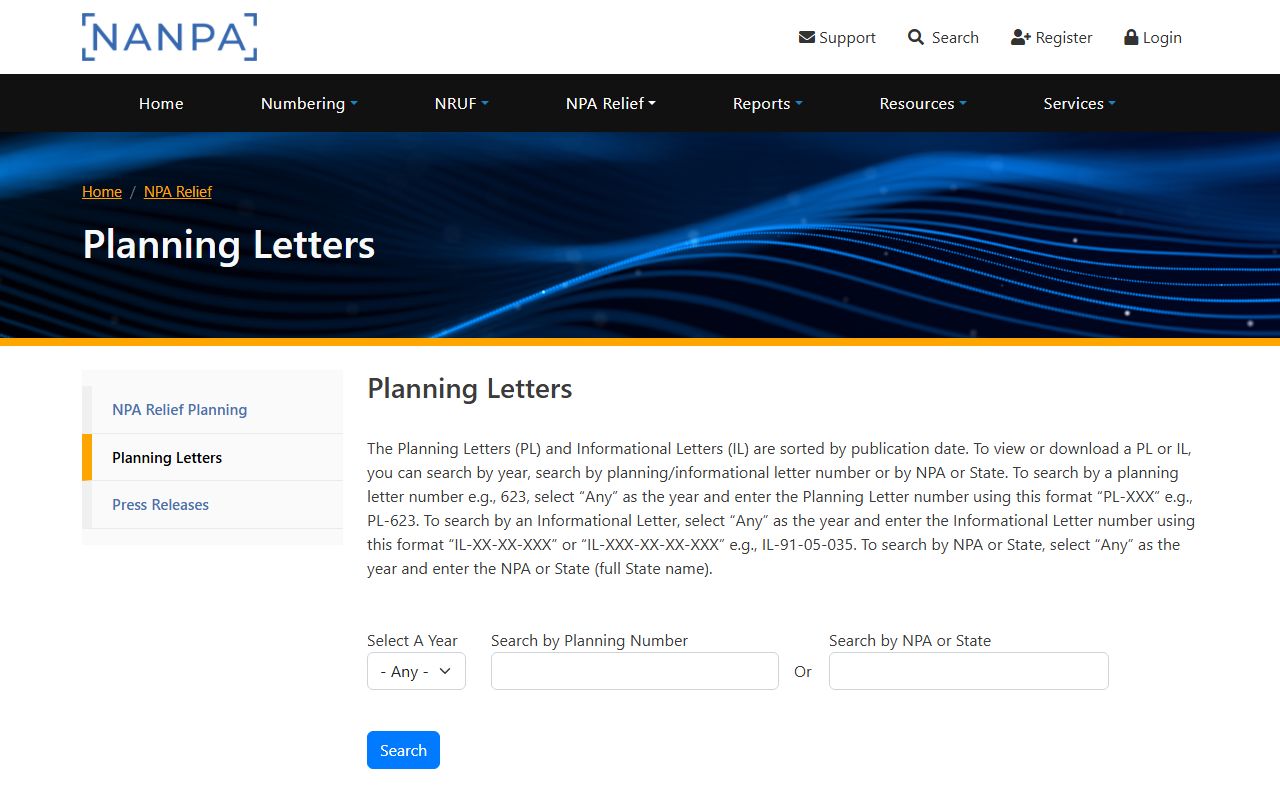
That source matters because Buncombe County area-code history is not just local custom. The 828 code exists because NANPA formally split the old 704 numbering plan area, and the next change is being handled through the same numbering-relief process.
For a local example of how 828 appears in regional public-safety records, the North Carolina State Highway Patrol Troop G Asheville page lists the Buncombe County district in the 828 numbering area.
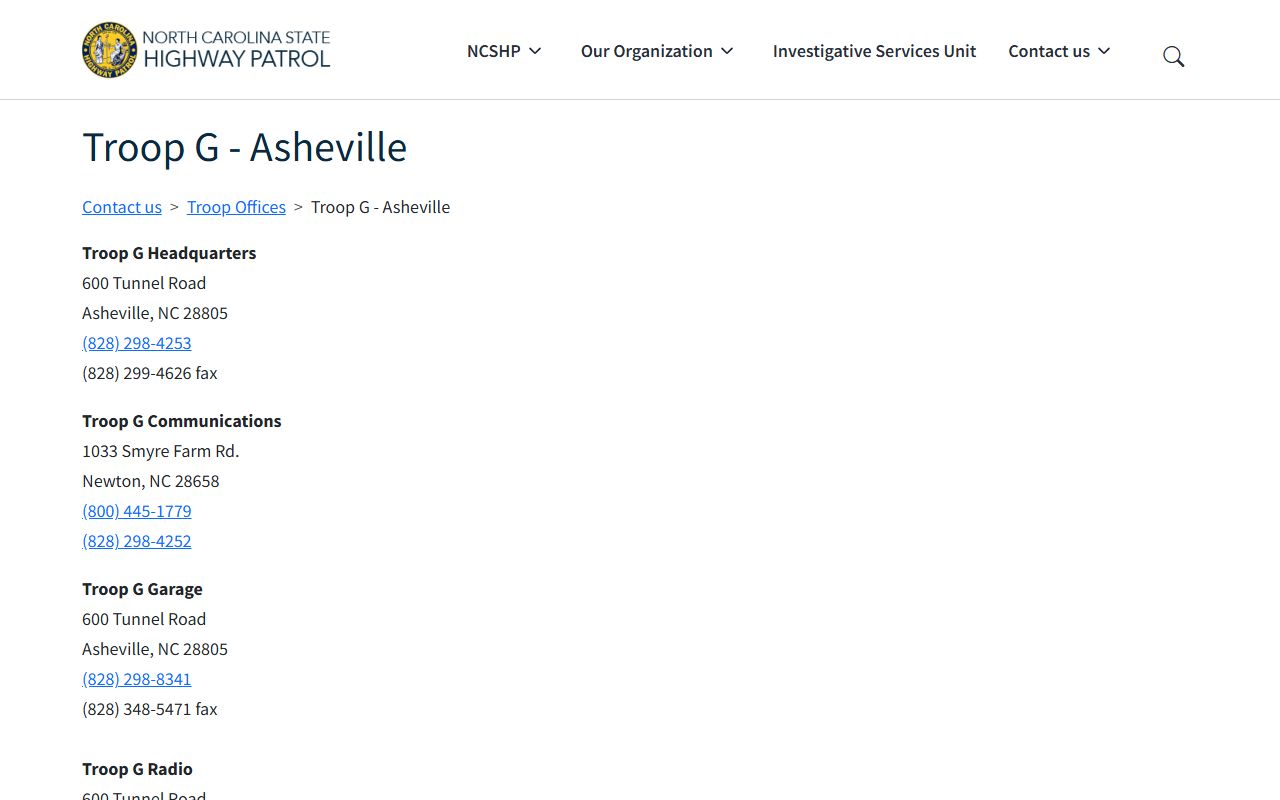
State and regional agency pages are useful checks when a caller is unsure whether a number is local, statewide, or toll-free. The Troop G contact is a local Asheville-area example, while Raleigh-based statewide contacts may use other North Carolina area codes.
Buncombe County Area Code Splits
Buncombe County already lived through a split. In a split, a parent area code keeps one part of the geography and the new area code takes another part. That is what happened when 828 was created from 704. Charlotte-area communities stayed with 704, while Asheville, Buncombe County, and most western North Carolina mountain communities moved to 828. A split can make older printed records confusing because the old area code may survive in paper files even after the local code changes.
The expected next change is different. North Carolina Utilities Commission and industry relief materials recommend an all-services overlay for 828 because the supply of central-office codes is projected to run out. An overlay puts a new area code over the same geography instead of drawing a new county or regional boundary. Existing 828 customers would keep their numbers, while new assignments could receive the new code once it is active.
- NPA
- Numbering Plan Area, the three-digit area code at the start of a North American phone number.
- NXX
- The three-digit prefix after the area code, such as the 250 prefix used across many Buncombe County government numbers.
- Overlay
- A second area code added to the same geography. The proposed 828 relief model is an overlay, not a new boundary through Buncombe County.
- Split
- A geographic division where one region keeps the old area code and another region changes to a new one. The 704 to 828 change was a split.
- Permissive Dialing
- A transition period when old and new dialing patterns both connect before the final dialing rule takes over.
Buncombe County Area Code Dialing
Because 828 is still the only active geographic area code in Buncombe County, seven-digit local dialing may still work today for many local calls. The research does not support saying that 10-digit local dialing is mandatory now. Long-distance calling can still require 1 plus the 10-digit number depending on the carrier and calling plan, and mobile phones generally handle saved +1 828 numbers cleanly.
Important: No active 828 overlay was confirmed in the inspected sources. If the planned overlay is approved and implemented, local 10-digit dialing is expected to become mandatory.
The dialing effect is the practical reason the future overlay matters to residents. Area-code geography would stay the same, but callers would need to include the area code for local calls once the overlay dialing rule takes effect. The broader Buncombe County phone codes reference covers N11 services, star codes, toll-free prefixes, and international dialing formats.
Buncombe County Area Code History
Buncombe County's telephone history starts with 704. In the original North American Numbering Plan rollout, 704 was one of North Carolina's area codes and covered the western side of the state, including Asheville and the Buncombe County region. For decades, a local number could carry 704 and still be rooted in the mountains. Growth in residential lines, business lines, fax machines, pagers, modems, and wireless service put pressure on that old numbering area.
NANPA Planning Letter PL-105, dated January 8, 1998, announced the split of the 704 North Carolina NPA to create 828. The new 828 NPA entered service on March 22, 1998. From that point forward, 828 became the public-number identity for Asheville and western North Carolina. The change is still important for phone research because old public notices, scanned documents, business cards, letterhead, and remembered numbers can contain the 704 code even when the modern local number is in 828 or has been replaced entirely.
| Year or Date | Event |
|---|---|
| 1947 | 704 was part of North Carolina's original area-code structure and covered the western side of the state, including the Asheville area. |
| January 8, 1998 | NANPA Planning Letter PL-105 announced the split creating 828 from the 704 numbering plan area. |
| March 22, 1998 | 828 entered service for Asheville, Buncombe County, and most of western North Carolina. |
| 2025 and 2026 | North Carolina relief materials identified 828 exhaust pressure and recommended a future all-services overlay before projected 2028 exhaust. |
Buncombe County Area Code Prefixes
After the 828 area code, the next three digits are the NXX or central-office prefix. Prefixes are not reliable proof of a current owner or carrier, especially after number portability, but official directories show patterns that help a caller understand a Buncombe number. County government clusters heavily in 828-250, including administration, the clerk, county legal, election services, public safety communications, Register of Deeds, health, HHS, tax, Mountain Mobility, Veterans Services, and many library numbers.
Courts and legal offices use 828-259 heavily, including clerk divisions, criminal records, estates, jury, small claims, the District Attorney, district judges, family court, and superior judges. UNC Asheville uses 828-251 for many campus offices, Mission Hospital uses 828-213, and Buncombe County Schools numbers appear across several prefixes tied to district geography, including 828-255, 828-232, 828-670, 828-654, 828-645, 828-686, and 828-298. Treat those prefix clues as a starting point, then verify against the official directory or switchboard.
Future Buncombe County Area Codes
The future-code issue for Buncombe County is 828 relief. North Carolina Utilities Commission and NANPA-related materials say the 828 NPA is projected to exhaust its available central-office/NXX codes in the third quarter of 2028. Industry representatives recommend an all-services overlay for the full 828 footprint. That means the future code would serve the same western North Carolina geography rather than taking only Asheville, Black Mountain, Candler, Weaverville, or another part of Buncombe County.
The North Carolina Utilities Commission overview material references the 828 relief project in docket P-100 Sub 137E, and a public filing excerpt mirrored by AT&T describes the 2028-Q3 exhaust projection and overlay recommendation. Residents generally do not need to change an existing number for an overlay. The expected adjustment is dialing behavior: once the overlay is implemented, local callers usually must dial 10 digits so the network can distinguish numbers in the same geography with different area codes.
Verify a Buncombe County Area Code
To verify an 828 number, start with official area-code sources and then confirm the specific office through the publishing agency. NANPA can show the numbering-plan area and planning history. The FCC area-code reference explains federal numbering concepts and consumer issues. The Buncombe County staff directory, school directories, court contact lists, and city department pages are better sources for the actual current public number.
The FCC Consumer Complaint Center is also relevant when a number appears local but is involved in unwanted calls, spoofing, spam labels, or carrier complaints.
Local-looking caller ID is not enough proof that a call came from Buncombe County. Spoofing can display an 828 number even when the caller is elsewhere, so complaint portals and official agency directories should be part of the verification process.
The FTC National Do Not Call Registry is another source for unwanted-call registration and complaints.
For area-code research, Do Not Call does not tell you who owns an 828 number. It helps with the next step when the issue is repeated telemarketing, spoofed calls, or unwanted contact after the caller has confirmed that the number is not an official local agency line.